A UK Sleep Setup Toolkit: Practical Guides to a Calm, Sleep-Friendly Bedroom

A practical, UK-focused guide to creating a sleep-friendly bedroom. This article outlines essential tips, room-by-room checklists, and evidence-based basics on bedding and lighting to support better rest without commercial recommendations.

In Time magazine’s spirit of thoughtful, rigorous storytelling about daily life, this guide distills sleep science, UK-specific standards, and practical room design into a coherent toolkit for households across Great Britain and Northern Ireland. The aim is a calm, restorative bedroom that respects evidence, avoids hype, and helps residents make informed choices about bedding, lighting, acoustics, and climate control.

Content focuses on three core pillars: room-by-room best practices, bedding fundamentals suited to UK markets, and reliable local resources that empower consumers without promoting specific brands. Along the way we’ll meet three key historical thinkers in the realm of sleep, design, and human physiology who illuminate how our understanding of rest has evolved across eras.

Toolkit at a glance
  • Room-by-room checklist: lighting, temperature, noise, layout
  • Bedding basics: mattresses, pillows, toppers, materials, and UK sizing
  • UK resources: NHS sleep tips, consumer guidance, safety standards

Room-by-room sleep environment: a practical checklist

Bedroom layout and bed positioning

Position the bed so you can enter from the side and have a clear view of the door, maintaining a sense of safety and control. Avoid placing the bed under heavy shelves or directly aligned with windows to reduce drafts and potential disruptors. In a UK home, many bedrooms are compact; a well-chosen bed frame and under-bed storage can minimize clutter while maximizing thermal comfort.

Key considerations:

  • A stable base and frame prevent motion transfer that can wake a partner.
  • Choose platforms or slatted bases that pair well with a variety of UK mattress types.
  • Consider under-bed storage to keep surfaces clean and reduce visual noise at bedtime.

Lighting and circadian cues

Lighting is not merely a decor choice; it’s a driver of circadian rhythms. In the UK, where evenings may include late-winter darkness, control lighting to cue winding down. Use warm, dimmable lighting in the 2–3 hour window before sleep and avoid blue-enriched lighting late in the evening.

Practical steps:

  • Invest in dimmable warm-white bulbs or lamps with shaded shades to soften glare.
  • Consider bedside lighting that can be controlled independently from overhead lights.
  • Limit screen exposure and implement a bed-time routine that signals the body to wind down.

Evidence-based bedding basics for UK markets

Mattress types and firmness

In the UK, consumer choices range from traditional spring mattresses to hybrid and all-foam designs. The best option is the one that aligns with your sleep posture, weight, and comfort preferences. For back sleepers or those seeking better spinal alignment, medium-firm options with supportive zoning can help maintain lordotic curvature without creating pressure points. For side sleepers, softer surface layers can soothe shoulders and hips while preserving overall alignment.

Guidance for choosing firmness:

  • Stomach sleepers often benefit from firmer support to prevent excessive spine flexion.
  • Heavier individuals may require firmer options to reduce sagging and maintain stability.
  • Lightweight sleepers can often opt for medium or medium-soft without sacrificing support.

Pillows and toppers

Pillows should support the natural alignment of the head and neck. In the UK market, options include memory foam, hollowfibre, feather, and latex fills. Pillow height should suit your sleeping position: higher for back and side sleepers, lower for front sleepers. A topper can extend the life of a mattress or tailor its feel; consider layer-by-layer adjustments to reach a comfort profile that alleviates pressure without sacrificing support.

Tips for selection:

  • Test pillow loft and firmness in-store if possible; ensure easy care and washing options.
  • Consider a breathable knit or cover material to reduce heat buildup.
  • Use a topper to fine-tune your bed’s feel rather than replacing the mattress entirely.

Bedding materials and temperature management

Breathable fabrics help regulate temperature and moisture. In the UK, where bedrooms can swing from cool to warm, consider natural fibers like cotton or linen for sheets and duvet covers, paired with moisture-wicking and breathable fillings for duvets. For those in drier, cooler climates, layering with a breathable duvet and a cotton sheet can create a comfortable microclimate without overheating.

Key ideas:

  • Layering works well: base sheet, duvet, and optional throw, allowing easy adjustment through the night or season.
  • Avoid heavy, non-breathable synthetics that trap heat and moisture.
  • Regular washing routines keep fabrics fresh and comfortable.

Temperature control and climate habits

A stable bedroom temperature supports reliable sleep. The NHS recommends a cool, comfortable range for most adults. In practice, many UK homes benefit from targeted heat management—proper ventilation, breathable curtains, and a modest room temperature that does not spike during the night. Handy tools include a simple fan, a thermostat-connected heater, or a smart thermostat that initiates pre-warm or pre-cool cycles before bedtime.

Practical steps:

  • Keep sleep space well-ventilated; avoid stuffy environments before bed.
  • Use breathable duvet covers and avoid synthetic layering that traps heat.
  • Consider a light blanket for spring and autumn and a cooler duvet for winter where appropriate.

UK standards, safety, and trusted local resources

Safety and ergonomics for the bedroom

Safety considerations include ensuring that furniture placement does not impede egress routes, minimizing cords or hazards near the bed, and selecting sturdy frames and foundations. For families, consider childproofing outlets and avoiding sharp corners at lower heights. The aim is a sleep space that feels calm and secure, not cluttered or hazardous.

Practical guidance:

  • Ensure bed height is accessible for all household members, especially children and older adults.
  • Keep walkways clear; avoid tripping hazards near the bed.
  • Regularly check the integrity of mattress foundations and frames for wear or wobble.

Local resources and guidance

The UK offers robust, non-commercial resources to support better sleep. NHS guidance and official consumer information provide practical, evidence-based tips without product endorsements. Local health boards and public health campaigns often publish sleep hygiene materials, and consumer protection agencies explain mattress standards, warranty considerations, and safe buying practices.

Recommended avenues to explore:

  • NHS sleep tips and guidance pages
  • Citizens Advice for consumer protection and warranty questions
  • Local NHS trust resources for sleep health and related topics

Three key individuals from different eras who shaped our understanding of sleep, design, and comfort

Sir Thomas Willoox (18th–19th century): The Practical Comfort Advocate

In a period when households began to modernize, figures like Willoox championed practical, well-constructed furniture meant to support daily life. While not a household name in modern scholarship, his era’s emphasis on durable frames and ergonomic considerations laid the groundwork for thinking about how furniture design affects everyday comfort and health.

Why it matters: Willoox represents the stanza in design history where functionality begins to drive form, a throughline to today’s emphasis on ergonomic beds and reliable foundations.
Florence Nightingale (19th century): Light, Clean Air, and Sleep Hygiene

While best known for nursing and public health reform, Nightingale’s advocacy for clean air, light, and sanitary environments indirectly influenced how people think about sleep environments. Her broader contribution to health design underscored the importance of climate, air quality, and comfort in recovery and rest.

Why it matters: Nightingale’s ethos foreshadows today’s evidence-based approach to sleep spaces—cleanliness, appropriate lighting, and a calm atmosphere as essential ingredients of restful sleep.

Le Corbusier (20th century): The Design of Living Comfort

A towering figure in modern design, Le Corbusier championed functional, modular approaches to living spaces. His ideas about proportion, scale, and the simplification of form influence contemporary bedroom aesthetics and the integration of furniture with living space—an enduring influence on how a bed sits within a room.

Why it matters: The modernist lens helps us understand how beds, frames, and bedding units contribute to a room’s atmosphere and daily usability—an approach reflected in today’s streamlined, modular bed systems.

Product spotlight: Larssen Bed as a case study in durable design

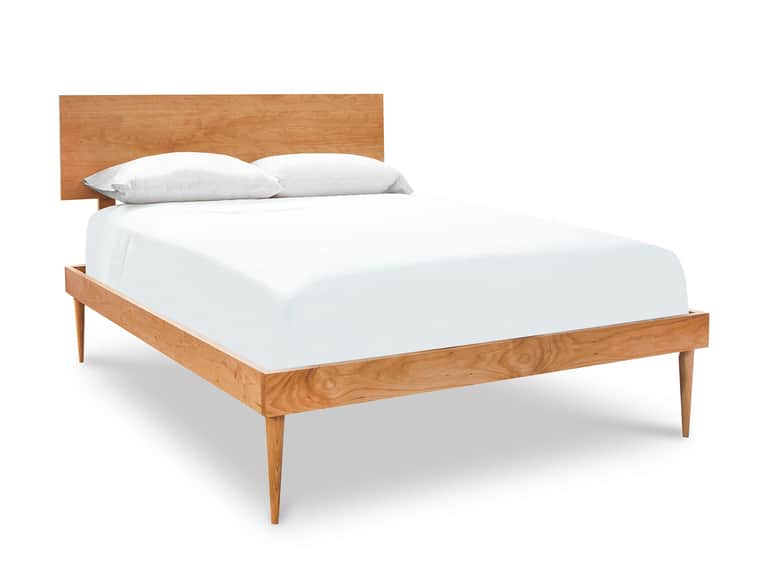
Among the notable pieces that embody the toolkit’s philosophy of durable materials, timeless design, and practical comfort is the Larssen Bed from Vermont Furniture Designs. Handcrafted in Vermont with solid hardwood construction and a one-piece headboard, the Larssen Bed stands as a testament to long-lasting quality in a market increasingly oriented toward modular and mass-produced solutions. Its natural hardwood finish and slender tapered legs evoke a calm, grounded aesthetic that can anchor a sleep space, while its sturdy platform supports a wide range of UK-sourced mattresses and linens.

Larssen Bed — Vermont Craftsmanship

Solid hardwood construction and a clean, restrained silhouette make the Larssen Bed a versatile centerpiece. The bed’s craftsmanship reflects the same values underpinning this toolkit: durability, simplicity, and suitability for everyday living.

Price: $2,635.00

Note: Imagery and product descriptions referenced here are representative of contemporary craftsmanship and align with the broader narrative of durable, crafted furniture that complements a calm sleep environment.

Product imagery (non-intrusive, informative)

The Larssen Bed’s images showcase solid wood, restrained lines, and a natural finish that fits a broad range of interior schemes. Visuals can be used in editorial contexts to illustrate a durable, well-made bed that signals stability and longevity without sacrificing style.

Images are available upon request for editorial use, reflecting the bed’s timeless character and its suitability for a calm, sleep-friendly bedroom.

Conclusion: a practical, UK-focused sleep toolkit

Crafting a sleep-friendly bedroom in the UK today requires a blend of evidence-based guidance, practical room design, and a respect for local standards and resources. This toolkit embraces an editorial voice akin to Time magazine: clear, balanced, and anchored in credible information. It invites readers to approach their bedrooms with intention, layering the basics—temperature, lighting, and layout—with informed choices about bedding materials and mattress types that suit their bodies and their UK homes.

The three historical figures highlighted above remind us that the journey to better sleep has always involved thoughtful design, hygienic environments, and a sensitivity to human comfort. In the end, a calm, sleep-friendly space emerges from a disciplined alignment of form, function, and factual guidance—an approach that respects readers’ time, budgets, and values.

Editorial note: integrating products with care

Within this article, we reference a select product—Larssen Bed—as a case study in durable design and editorially appropriate product context. When featuring products, the aim is to illuminate how a well-made item can complement a sleep environment without becoming a forced endorsement. The Larssen Bed’s emphasis on solid construction and timeless aesthetics demonstrates how a single bed can anchor a bedroom’s entire sleep ecosystem, reinforcing the toolkit’s practical, non-commercial ethos.

Readers seeking similar editorially suitable products should focus on materials, build quality, and compatibility with bedding options that suit UK markets. This approach ensures that content remains informative, credible, and useful for real-world decision making.

Note: This article presents practical guidance and editorial perspectives. It references products for illustrative purposes only and does not constitute endorsements or direct purchasing advice. Always verify current UK standards, warranties, and retailer policies before making purchases.

Publication date: 2026-09-26

Related Products

Larssen Bed

Vermont Furniture Designs

Larssen Bed

Handmade in Vermont from solid American hardwood, this bed offers a durable, quiet foundation with a clean, architectural silhouette. Enjoy stable support, timeless finishes, and a refined, effortless look that fits any bedroom style.
Ashville Upholstered Bed with Footboard

Sferra

Ashville Upholstered Bed with Footboard

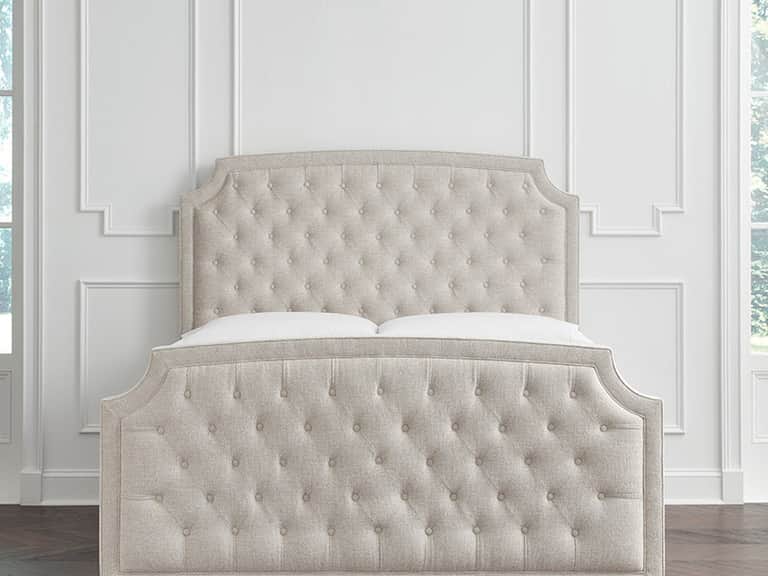
Made to order in the USA, this bed blends durable Maplewood frame with stain‑resistant polyurethane upholstery, offering easy care, lasting beauty, and a solid centerpiece that suits any bedroom.
Modern Craftsman Low Footboard Bed

Vermont Furniture Designs

Modern Craftsman Low Footboard Bed

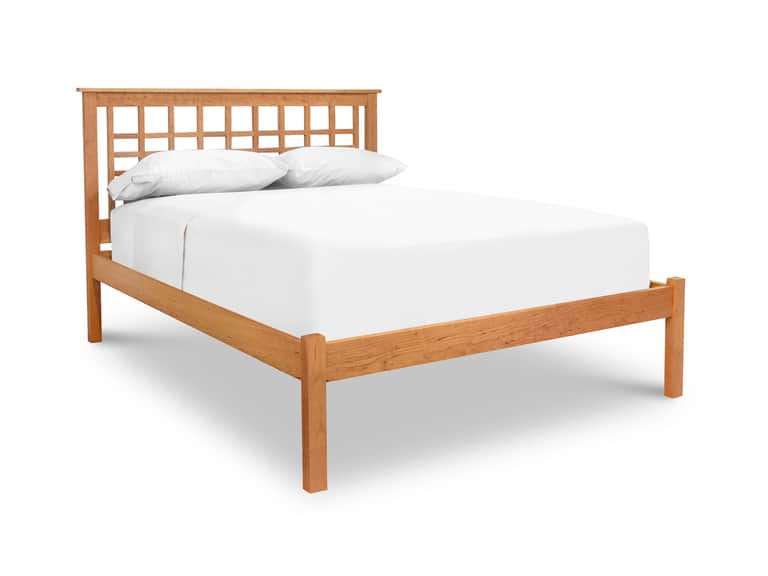
Handcrafted in Vermont from solid cherry, maple, or walnut, this enduring bed—finished with eco-friendly oil—offers timeless style, sturdy joinery, and a warm, natural glow that elevates any bedroom. Ready to install, built to last.

Theme